
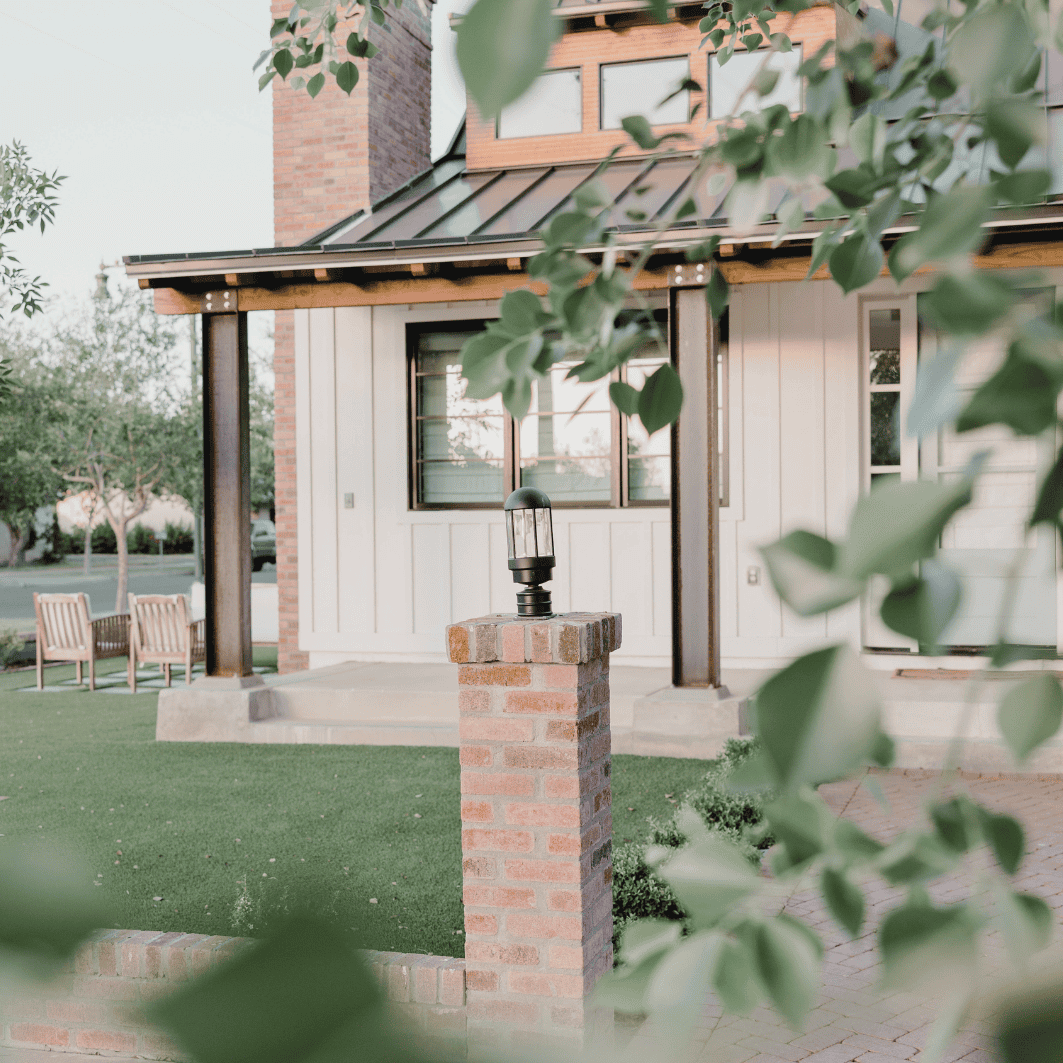
I’ve seen buyers walk away from wonderful homes because one feature didn’t match the picture they’d imagined. Months later, they’re still searching while those homes have become someone else’s beginning. I’ve learned that homeownership isn’t about finding perfection—it’s about recognizing potential. The homes people cherish most are usually the ones they shaped over time, not the ones that started out flawless.
R. Kaur
The Home That Checks Every Box Probably Doesn’t Exist
Buying a home is exciting, but it can also become overwhelming. Between online listings, social media inspiration, and endless advice from friends and family, it’s easy to build a picture of the “perfect” home long before you ever step inside one.
Three bedrooms. Open concept. Large backyard. Finished basement. Quiet street. Close to schools. Short commute. Updated kitchen. Room to grow. Within budget.
It’s a wonderful list.
It’s also one that rarely exists.
Across the GTA, Durham Region, Peterborough, and the Kawarthas, one of the biggest obstacles buyers face isn’t inventory—it’s expectation. The pursuit of perfection can quietly become the very thing that keeps people from finding a home they’ll genuinely love.
The Perfect Home Is a Moving Target
What feels essential today may not matter five years from now.
A long commute may seem manageable before children. A sprawling backyard may lose its appeal when weekends become filled with maintenance. A dedicated home office might become indispensable after a career change.
Life evolves, and so do our priorities.
The challenge is that many buyers search for a home that satisfies every possible future scenario, even though no property can perfectly anticipate every stage of life.
The best homes don’t predict your future—they adapt with it.
Too Many Options Can Make Decisions Harder
Technology has transformed the home-buying experience. Buyers can view hundreds of listings without ever leaving their couch.
While access to information is valuable, it has also introduced a new challenge: decision fatigue.
Every new listing creates another comparison.
Every beautiful kitchen makes another one feel inadequate.
Every dream home on social media raises the bar just a little higher.
Instead of helping buyers make confident decisions, unlimited choice often creates hesitation.
When every option seems possible, it’s difficult to recognize when you’ve already found the right one.
The Difference Between Needs and Wants
Every successful home search begins with understanding the difference between what you need and what you simply prefer.
Needs are the things that support your lifestyle.
Enough bedrooms for your family.
A reasonable commute.
A safe neighbourhood.
A budget that allows you to live comfortably after move-in.
Wants are equally important—but they’re often flexible.
Maybe the countertops aren’t quartz.
Maybe the landscaping needs work.
Maybe the paint colours aren’t what you envisioned.
These are details that can change over time.
Location, layout, and affordability are much harder to replace.
Perfection Often Comes at a Price
Homes that check every box usually attract the most attention.
More attention often means:
- More competing buyers.
- Higher selling prices.
- Fewer opportunities to negotiate.
Ironically, buyers searching for perfection often pay a premium for features they may not value as much a few years later.
Sometimes, choosing the home that checks 85% of the boxes creates far more long-term satisfaction than waiting endlessly for one that checks them all.
See the Potential, Not Just the Present
One of the most valuable skills in real estate is learning to see possibility.
A dated kitchen can be renovated.
Landscaping can be redesigned.
Walls can be painted.
Basements can be finished.
What can’t easily be changed is the character of a neighbourhood, the size of a lot, or the sense of community that surrounds a home.
Experienced buyers learn to look beyond cosmetic details and recognize the qualities that truly hold long-term value.
Every Home Involves a Trade-Off
Even luxury homes involve compromise.
The larger home may have the longer commute.
The newer subdivision may have smaller lots.
The century home may require more maintenance.
The lakeside property may mean giving up proximity to urban conveniences.
There is no perfect choice.
Only the choice that best aligns with your priorities.
Recognizing this can transform the buying experience from stressful to empowering.
The Right Home Feels Different
Many buyers assume they’ll know the perfect home the moment they walk through the front door.
Sometimes that happens.
More often, the right home reveals itself through practicality rather than emotion.
It fits the budget comfortably.
The location supports your daily life.
The layout works for your family.
The potential outweighs the imperfections.
Those qualities tend to matter far longer than designer finishes or magazine-worthy staging.
Progress Beats Perfection
Buying a home isn’t about finding perfection.
It’s about creating a place where your life can grow.
The families who enjoy their homes the most are rarely the ones who found flawless properties.
They’re the ones who recognized opportunity, embraced a few imperfections, and made the space their own.
The perfect home probably doesn’t exist.
But the right one almost certainly does.
The key is being ready to recognize it when you find it.