
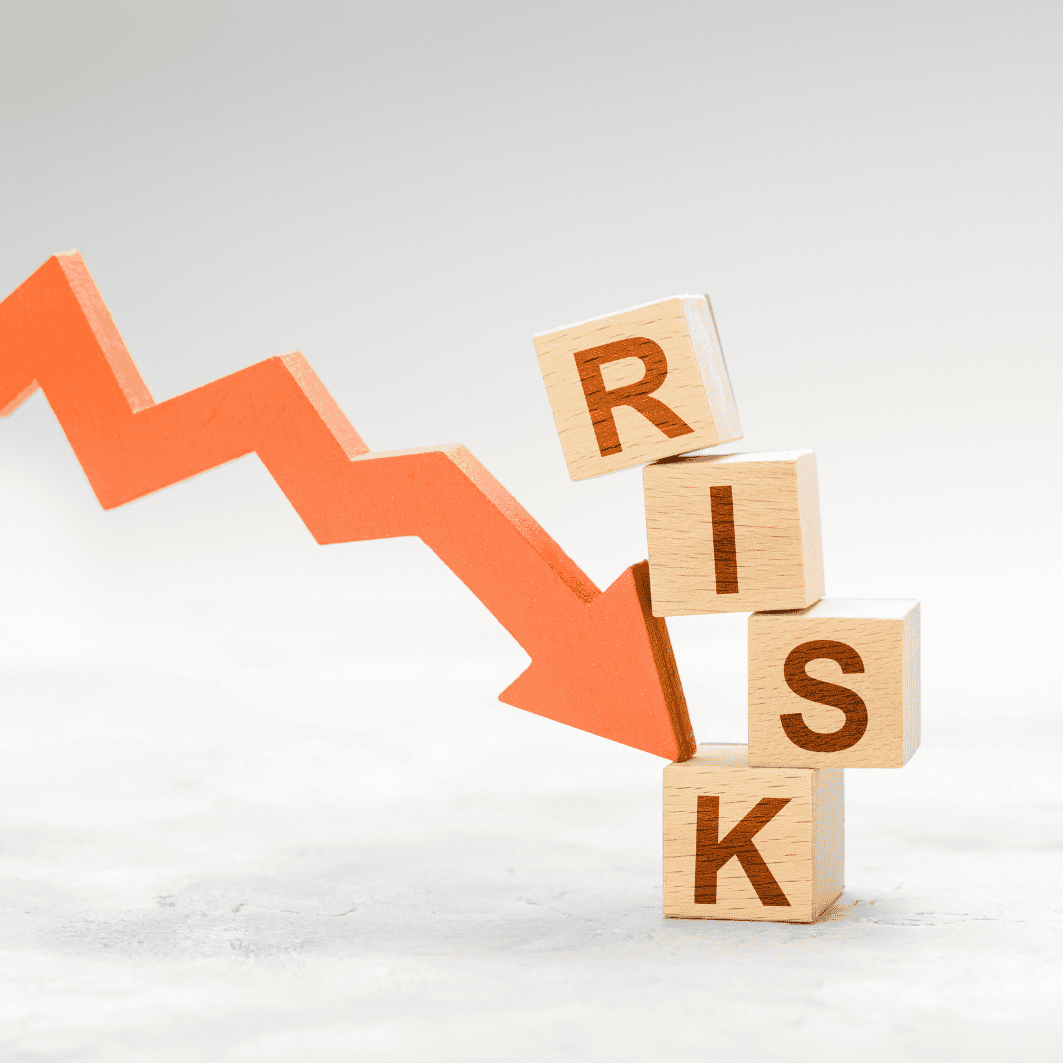
The Risk of Waiting: When Playing It Safe Costs You More
I’ve worked with buyers who waited for the market to feel safer, only to find themselves facing higher prices and more competition later. What stands out over time is that confidence doesn’t come from perfect timing—it comes from understanding the opportunity in front of you. When buyers focus on the right property and their long-term position, they’re often in a stronger place than those waiting on the sidelines.
A. Patel
There’s a common belief in real estate that waiting is the safest strategy.
Wait for interest rates to come down. Wait for home prices to stabilize. Wait until there’s more inventory. Wait until the market feels less uncertain.
On the surface, it sounds like smart advice. After all, no one wants to make one of the biggest financial decisions of their life at the wrong time.
But here’s the reality: waiting doesn’t eliminate risk—it simply changes it.
For buyers across the GTA, Durham Region, Peterborough, and the Kawarthas, the biggest question isn’t whether the market will change. It always does. The real question is whether waiting will actually put you in a better position when you’re ready to act.
For many people, the answer is surprisingly no.
The Myth of Perfect Timing
Every market cycle creates the same conversation.
People begin searching for signs that the “perfect” time to buy has arrived. News headlines become the guide. Interest rates become the deciding factor. Friends and family offer opinions based on stories they’ve heard.
The problem is that markets don’t announce when opportunity has arrived.
By the time confidence returns and everyone agrees it’s a “good time to buy,” thousands of other buyers have reached the exact same conclusion.
History has shown that periods of confidence often bring increased competition, multiple offers, and upward pressure on prices.
Ironically, the moment that feels safest can become the most expensive.
The Cost of Standing Still
When buyers decide to wait, they often focus on what they might save.
They rarely consider what waiting could cost.
A year can pass quickly. During that time:
- Rent continues to increase.
- Savings may struggle to keep pace with housing prices.
- Desired neighbourhoods become less affordable.
- Competition shifts as more buyers re-enter the market.
Even if prices remain relatively stable, life doesn’t. Families grow. Careers change. Commutes evolve. Financial goals shift. Waiting doesn’t pause your future—it simply postpones your ability to plan for it.
Opportunity Doesn’t Always Feel Comfortable
One of the greatest misconceptions in real estate is that opportunity should feel obvious. In reality, opportunity usually arrives wrapped in uncertainty. Markets that feel slower often give buyers something they rarely have during peak conditions:
Time.
Time to compare properties.
Time to negotiate.
Time to complete inspections.
Time to ask questions without feeling pressured into making a decision within hours.
These advantages are easy to overlook because they don’t generate exciting headlines.
Yet they can create significant long-term value.
Focus on What You Can Control
No buyer can control:
- Interest rates.
- Government policy.
- Economic headlines.
- Market sentiment.
What buyers can control is often far more important.
They can control:
- Their budget.
- Their financial preparedness.
- The quality of the home they choose.
- The neighbourhood they invest in.
- Their long-term plans.
Successful buyers tend to spend less time predicting markets and more time preparing themselves.
Preparation creates confidence.
Prediction often creates hesitation.
Every Market Has Opportunity
It’s tempting to believe that certain markets are “good” while others are “bad.”
The truth is much more balanced.
A fast market rewards decisiveness.
A slower market rewards patience and negotiation.
A balanced market rewards preparation.
Each environment presents different opportunities.
The buyers who benefit most aren’t necessarily the ones who waited for the perfect conditions.
They’re the ones who recognized value within the market they were in.
Looking Beyond Today’s Headlines
Headlines are designed to capture attention.
Your real estate decision should capture your future.
If your goal is to build equity, establish stability, or create a home that supports your lifestyle, today’s news cycle becomes less important than your long-term outlook.
A home purchased with thoughtful planning often outperforms years spent waiting for conditions that may never arrive exactly as expected.
Local Markets Tell Different Stories
One of the biggest mistakes buyers make is assuming that Ontario moves as one market.
It doesn’t.
While Toronto may experience one trend, Durham Region could be seeing increased inventory.
Peterborough might offer stronger value for growing families.
Communities throughout the Kawarthas continue attracting buyers looking for more space and a different pace of life.
That’s why broad market headlines rarely tell the whole story.
Real estate has always been local.
Understanding your specific market often reveals opportunities that national conversations completely overlook.
Confidence Comes From Clarity
Buying a home will probably never feel completely risk-free.
Nor should it.
Every meaningful investment carries uncertainty.
The goal isn’t to eliminate uncertainty.
It’s to understand it.
When buyers have realistic expectations, solid financial preparation, and guidance that focuses on their individual circumstances—not just market noise—they’re able to make decisions with confidence instead of fear.
Final Thoughts
Waiting can absolutely be the right decision.
But it should be based on your personal circumstances—not because you’re hoping the market will become easier to predict.
The best real estate decisions aren’t made when everything feels certain.
They’re made when your finances, your goals, and the right property come together.
Because playing it safe doesn’t always mean standing still.
Sometimes, the safest move is recognizing that the right opportunity has already arrived.